One Application vs. Multiple Applications
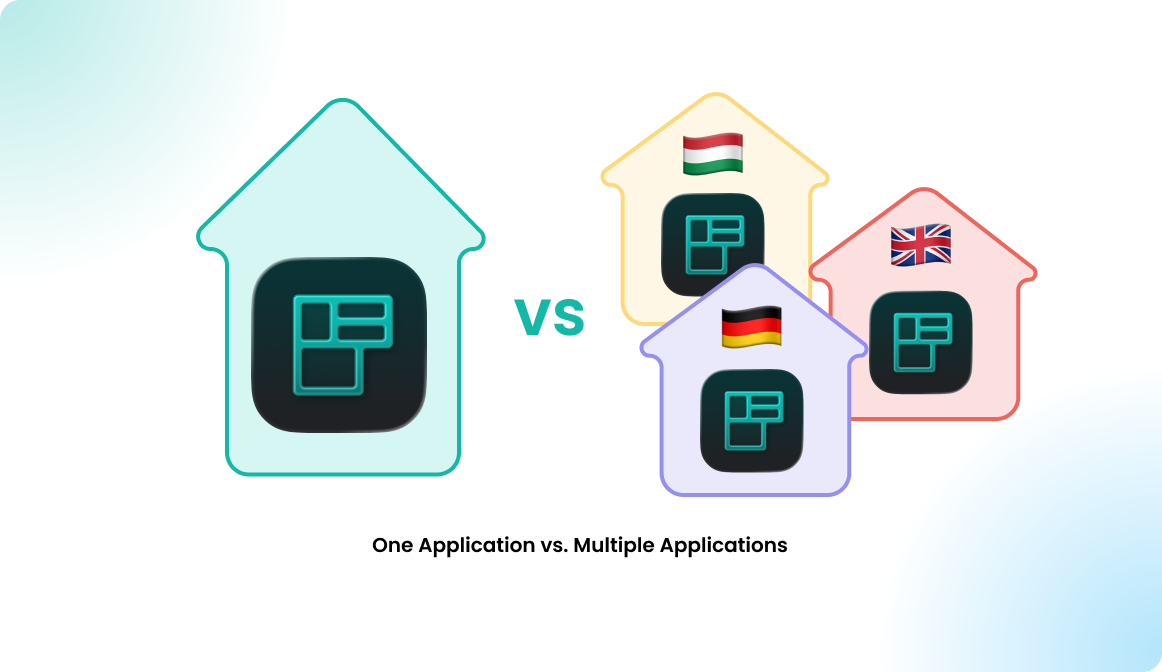
For large-scale organizations with multiple branches or subsidiaries, selecting the optimal architectural setup is crucial. A common question arises: Is it more effective to manage all locations within a single Flexopus instance, or should separate applications be deployed for each entity?
This decision is typically guided by internal compliance requirements and specific operational preferences. Both setups offer distinct benefits depending on your goals. To help you choose the right path, we have compared both options against key criteria in the table below.
| Criteria | One Application (Single Tenant) |
|---|---|
| Identity & Access (SSO, SCIM, groups) | Set up once and manage centrally for all users. |
| Integrations (e.g. HR, calendar, APIs) | Connected once and used across the whole organization. |
| Configuration & Policies | Same settings for everyone (e.g. booking rules, data retention, privacy). |
| Data & Compliance | One common setup; less flexible for different local rules. |
| Reporting & Visibility | Easy to create reports across all locations. |
| Operations & Complexity | Lower effort, simpler to manage. |
| Criteria | Multiple Applications (Multi Tenant) |
|---|---|
| Identity & Access (SSO, SCIM, groups) | Must be set up and maintained separately for each tenant. |
| Integrations (e.g. HR, calendar, APIs) | Each integration must be set up and maintained per tenant. |
| Configuration & Policies | Settings can be adjusted per tenant (e.g. local requirements). |
| Data & Compliance | Clear separation; easier to meet local legal requirements. |
| Reporting & Visibility | Requires combining data from multiple tenants. |
| Operations & Complexity | Higher effort and more complexity due to multiple systems. |
As an orientation: Use...
One Application: If processes and settings should be standardized globally, a single application is the most efficient solution.
Multiple Applications: For larger or international organizations with different requirements, using separate tenants per country or company provides better flexibility and control.